The fear of disapproval: are you a people pleaser?
People-pleasing is often mistaken for kindness but for most people it is actually a way of protecting approval, avoiding rejection, and managing the fear of being disliked. Over time, what starts as adaptation slowly becomes a trap: saying yes feels automatic, boundaries feel risky, and relationships become emotionally exhausting. This article explores the hidden anxiety behind people-pleasing, the traps that maintain it, and why rebuilding the freedom to say “no” is often the beginning of more genuine relationships.

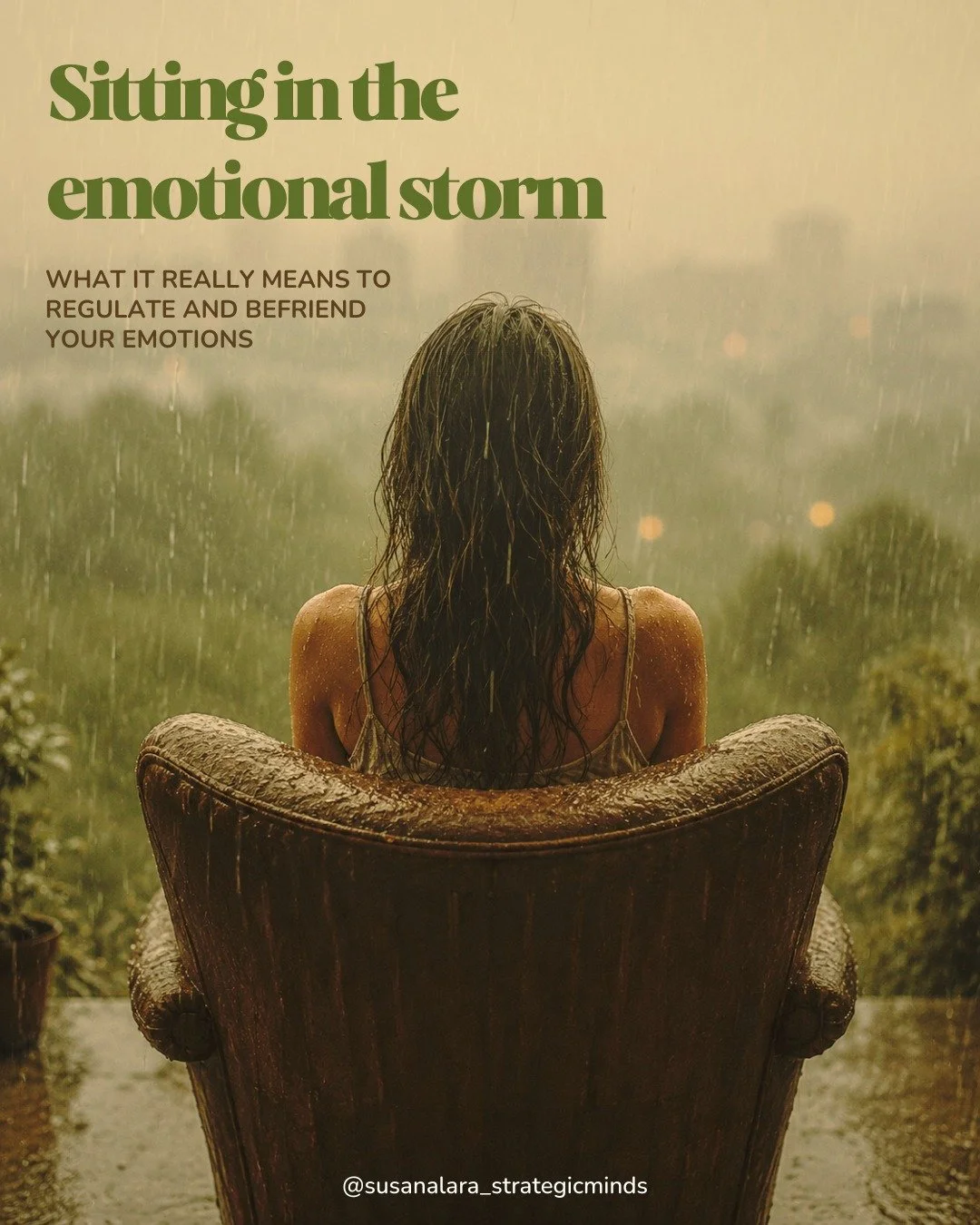
Sitting in the emotional storm
Learning to relate differently to intense emotions means moving away from avoidance and struggle, and towards a more grounded way of being with what we feel. This is not about controlling or eliminating emotional storms, but about building the capacity to stay with them, understand them, and respond rather than react. Sitting in the emotional storm becomes a way of befriending our emotional world—remaining present, even when it feels uncomfortable, and discovering that emotions can be experienced without being overwhelmed by them.

Understanding the language of emotions
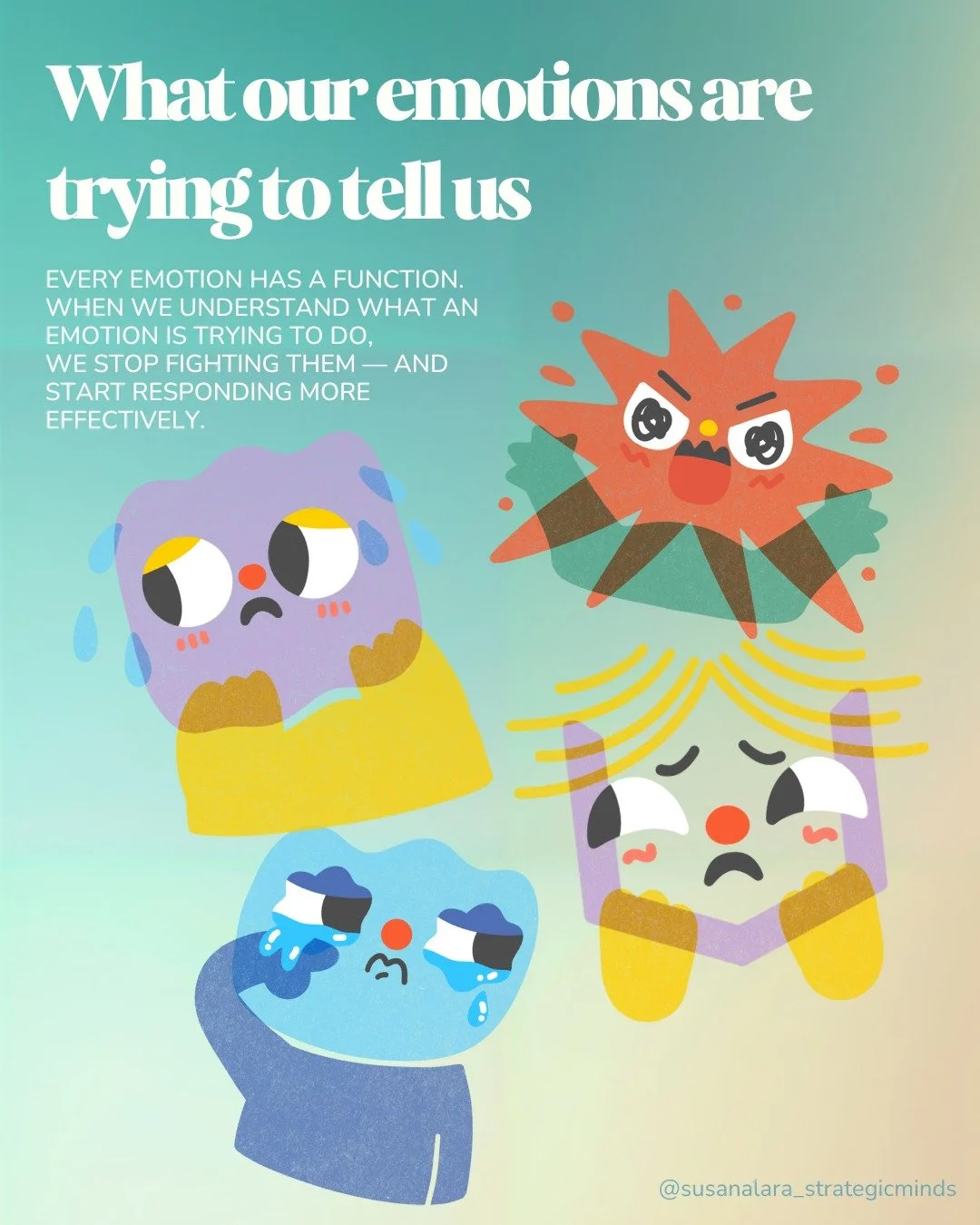
Emotions are not random experiences to get rid of or control, but meaningful signals that point to what matters, what is at risk, and what needs our attention. Pain, anger, fear, and guilt each carry a specific function, helping us adapt, protect ourselves, and respond more effectively to life.
When we stop reacting only to their intensity and begin to understand what they are trying to communicate, a different relationship becomes possible. Rather than fighting emotions, we can learn to listen to them, work with them, and respond with greater clarity and balance.

Case Sofia: Overcoming a Specific Phobia with Brief Strategic Therapy
Even strong, competent, and highly functional people can feel completely powerless in the face of a specific fear. This real case illustrates how phobias can persist through well-intentioned coping strategies—and how Brief Strategic Therapy can break these patterns.
Sofia, a confident paediatric nurse, was terrified of spiders. Despite her resilience, encountering one left her paralysed and dependent on others. Through a structured, strategic process, she learned that fear diminishes not when avoided, but when approached in the right way—transforming how she perceived and responded to the phobic object.

Phobias: Navigating Fear and Anxiety
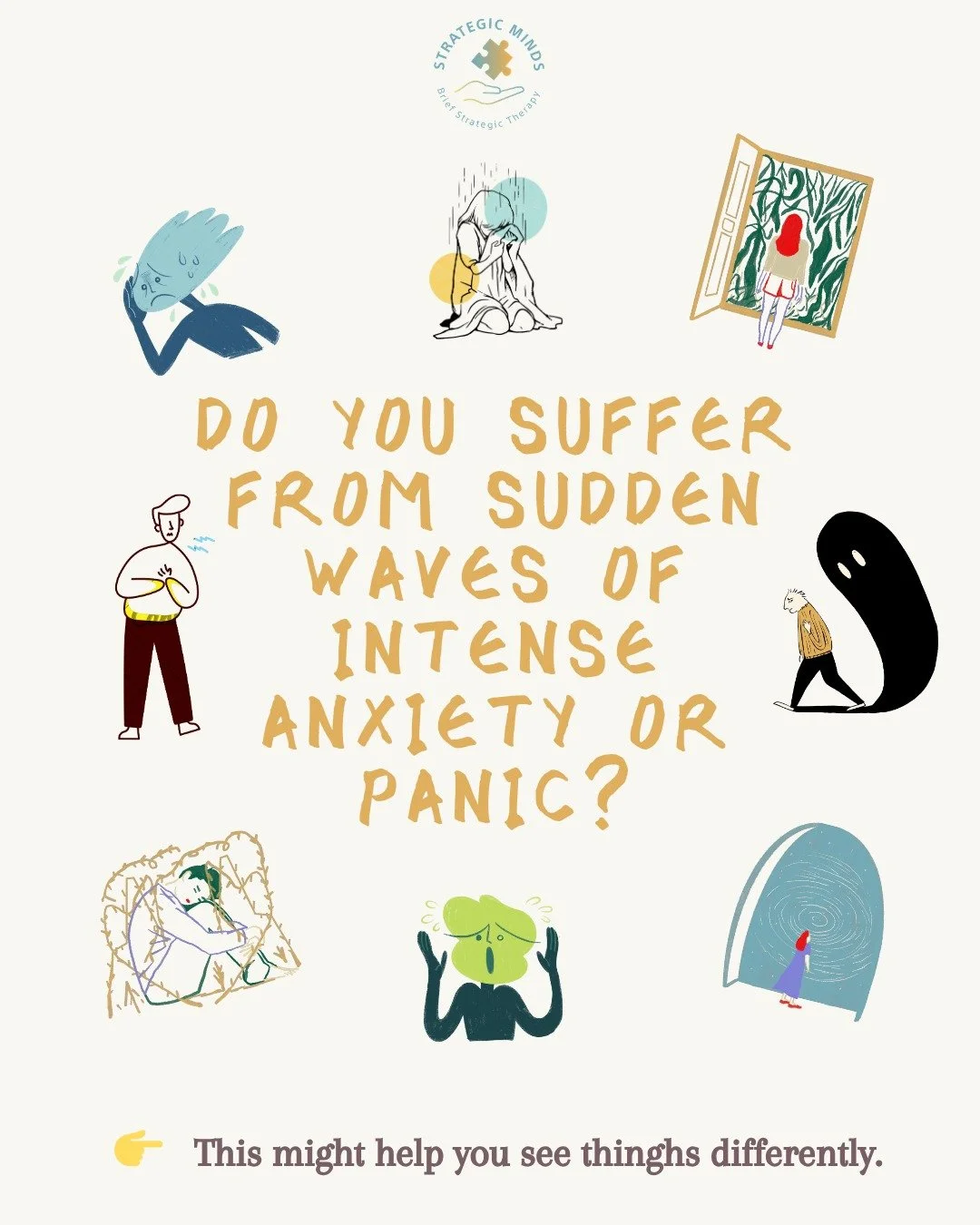
Fear and anxiety are natural, adaptive responses, helping humans react to perceived threats. However, when these emotions exceed functional levels, they can lead to limitations, phobias, and anxiety-related disorders. Many individuals fall into psychological traps—such as avoidance, repeated help requests, or attempts to control physiological responses—which can intensify fear and reduce self-confidence
Follow Me on Instagram for More Insights