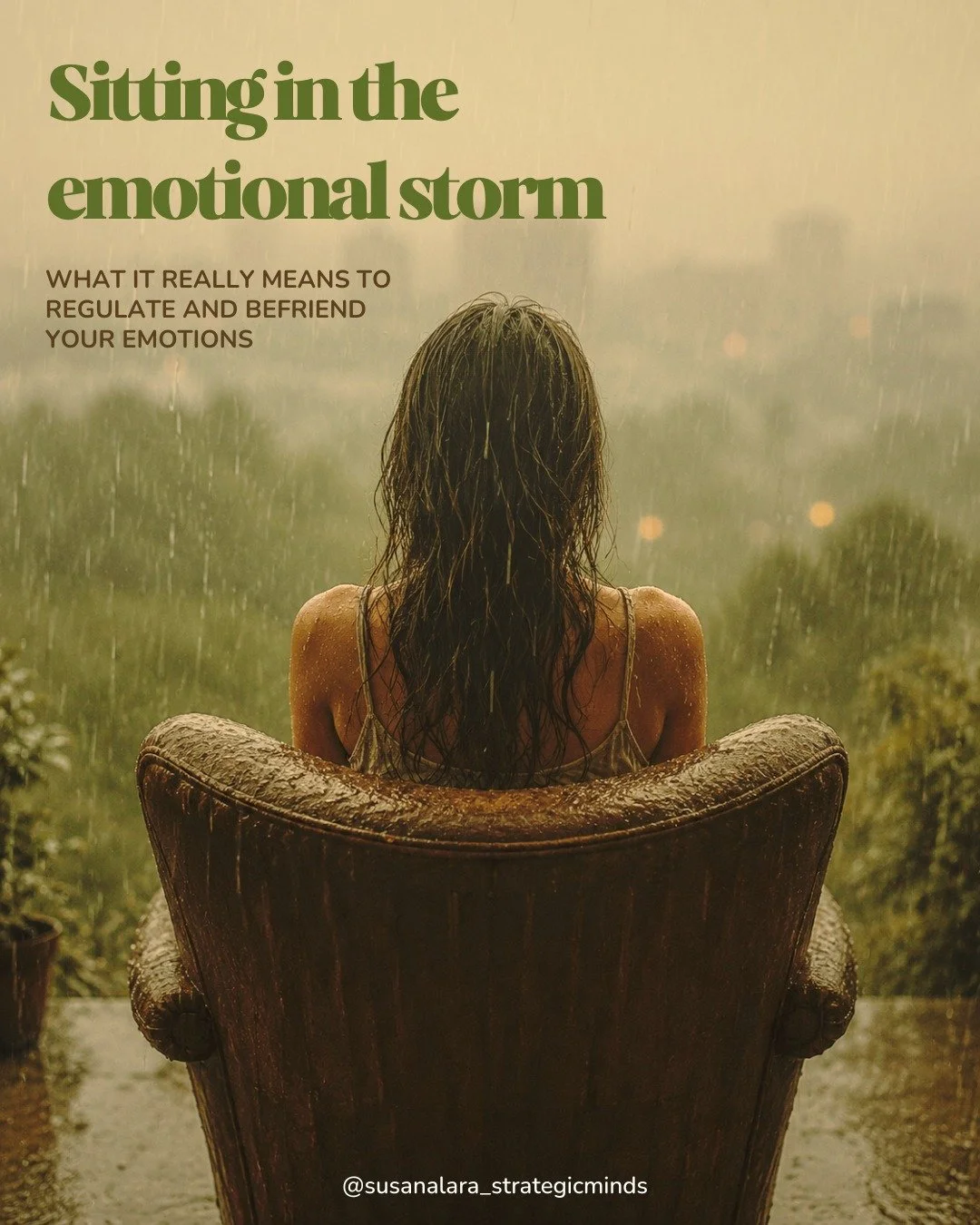
Sitting in the emotional storm
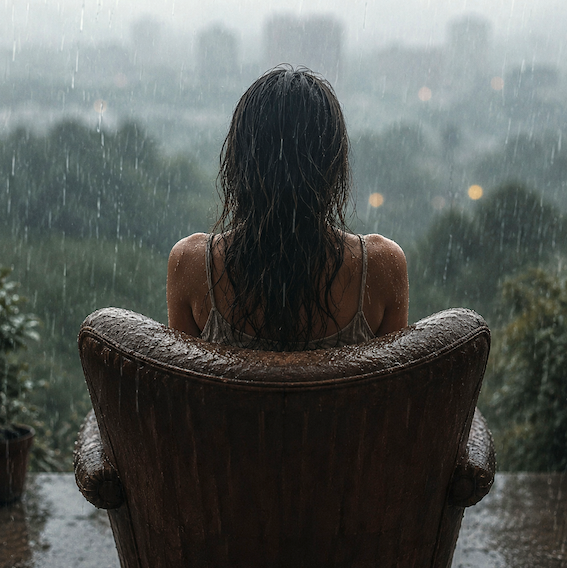
Learning to relate differently to intense emotions means moving away from avoidance and struggle, and towards a more grounded way of being with what we feel. This is not about controlling or eliminating emotional storms, but about building the capacity to stay with them, understand them, and respond rather than react. Sitting in the emotional storm becomes a way of befriending our emotional world—remaining present, even when it feels uncomfortable, and discovering that emotions can be experienced without being overwhelmed by them.

Understanding the language of emotions
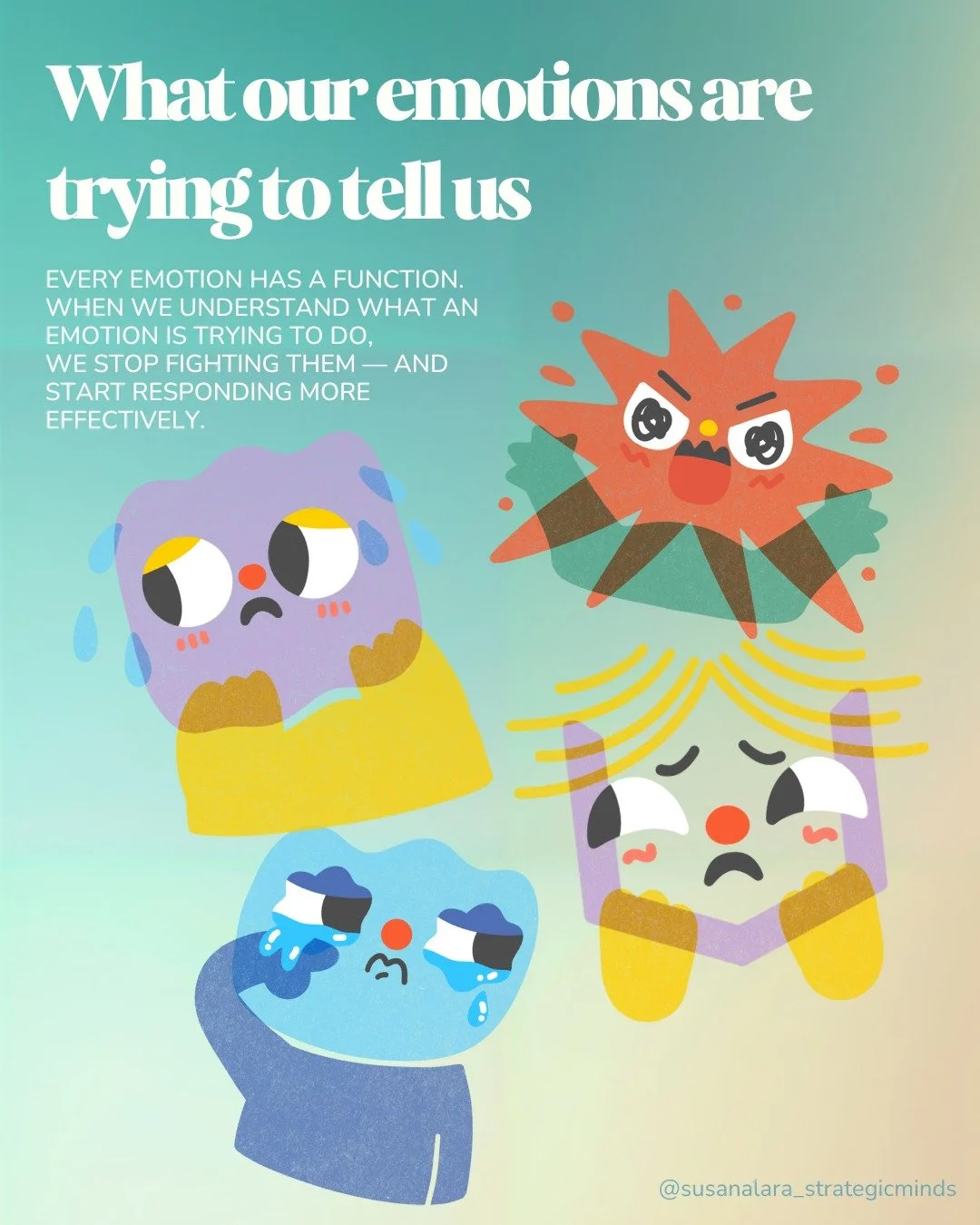
Emotions are not random experiences to get rid of or control, but meaningful signals that point to what matters, what is at risk, and what needs our attention. Pain, anger, fear, and guilt each carry a specific function, helping us adapt, protect ourselves, and respond more effectively to life.
When we stop reacting only to their intensity and begin to understand what they are trying to communicate, a different relationship becomes possible. Rather than fighting emotions, we can learn to listen to them, work with them, and respond with greater clarity and balance.

The tsunami of anger after betrayal: How to heal from infidelity
Infidelity affects 1 in 5 people in the UK, and the emotional impact of cheating in relationships can be profound. Betrayal damages trust and often leaves lasting pain, whether couples stay together or separate. It is one of the most common reasons couples seek therapy, as healing from infidelity requires understanding, support, and practical strategies to rebuild emotional wellbeing.
Perfectionism: When Perfection Becomes the Flaw
Perfectionism can drive success but often leads to frustration, self-criticism, and emotional exhaustion. High standards, harsh inner critics, and the pursuit of flawlessness can strain relationships and wellbeing. Brief Strategic Therapy (BST) helps break these patterns, teaching practical strategies to embrace imperfections, focus on progress, and reclaim a balanced, fulfilling life.
Follow Me on Instagram for More Insights